In the world of exterior home design, siding plays a vital role in aesthetics, protection, energy efficiency, and long-term maintenance. Among the many options available today — vinyl, wood, fiber cement — steel siding is gaining traction for its unmatched durability and sleek, modern appeal. It’s especially favored in areas prone to extreme weather or in homes designed with industrial or contemporary flair.
But like all building materials, steel siding comes with both benefits and drawbacks. Let’s take a deep dive into the pros and cons of steel siding so you can decide if it’s the right fit for your home or renovation project.
What Is Steel Siding?
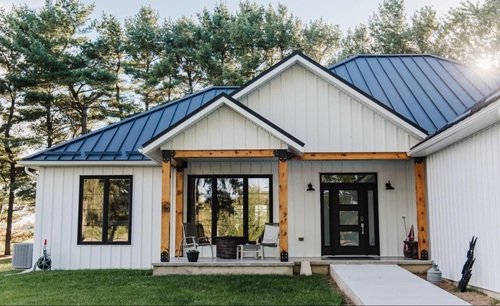
Steel siding is a form of exterior cladding made from galvanized steel or galvalume (a steel-aluminum-zinc alloy). It is often coated with protective finishes such as vinyl, polyester, or Kynar® to enhance weather resistance and color retention. Steel siding can be manufactured in various textures — including smooth panels, corrugated designs, or styles that mimic wood grain — offering both functionality and visual flexibility.
Pros of Steel Siding
1. Exceptional Durability and Strength
One of the most significant advantages of steel siding is its incredible durability. It’s resistant to warping, cracking, and fading. Unlike wood or vinyl, steel won’t rot, melt, or get easily damaged by hail, snow, or high winds.
Fact Check: Galvanized steel siding can withstand wind speeds over 120 mph and offers excellent impact resistance during hailstorms — making it ideal for regions with harsh weather.
2. Fire Resistance
Steel is a non-combustible material, offering superior protection against fire. In wildfire-prone or high-risk areas, this is a major selling point for homeowners seeking peace of mind.
Note: Insurance premiums may be lower in some cases due to steel siding’s fire-resistance rating.
3. Pest and Insect-Proof
Steel siding is naturally resistant to termites, carpenter ants, and rodents. Unlike wood siding, which can serve as a breeding ground for insects, steel forms an impenetrable barrier that pests can’t chew through or nest in.
4. Low Maintenance
Steel siding is surprisingly low maintenance. It doesn’t require repainting, staining, or sealing. Occasional washing with a garden hose or pressure washer is usually enough to keep it looking clean and fresh.
Bonus: It doesn’t attract mold, mildew, or fungus — common problems with organic siding materials.
5. Eco-Friendly and Recyclable
Most steel siding is made from recycled steel and is 100% recyclable at the end of its life cycle, making it an environmentally responsible choice. Compared to vinyl or fiber cement, its carbon footprint is often lower if sourced sustainably.
Tip: Look for siding with LEED certification if eco-conscious design is a priority.
6. Long Lifespan
Steel siding can easily last 40 to 70 years, depending on the climate and quality of installation. Some high-end brands even offer warranties of up to 50 years or more.
Cons of Steel Siding
1. Higher Upfront Cost
Steel siding is more expensive than vinyl and often pricier than fiber cement. The cost includes not only the material but also specialized installation, which may require experienced labor and tools.
Fact Check: On average, steel siding costs between ₹400 to ₹700 per square foot in India (or $7 to $12 per square foot in the U.S.), compared to ₹200 to ₹400 for vinyl siding.
2. Prone to Dents
While steel siding is strong, it’s not immune to denting — especially from large hail, rocks, or accidental impacts. Unlike vinyl, dents in steel cannot be easily popped out or repaired without panel replacement.
Tip: Consider thicker gauge steel (e.g., 24-gauge) for better dent resistance.
3. Limited Color Choices
Although steel siding is available in various finishes, the range of colors is generally less extensive than vinyl or composite materials. Custom colors may be available, but they come at a premium cost.
Also, scratches on painted steel can expose the metal beneath, making it more susceptible to rust if not sealed quickly.
4. Heat and Cold Conductivity
Steel can become hot to the touch in direct sunlight and cold in winter, though most manufacturers add insulation layers to address this. Still, improper installation can lead to thermal bridging, reducing energy efficiency.
Solution: Choose insulated steel siding panels with built-in foam or install with a proper vapor barrier.
5. Noise Issues During Expansion
Steel siding can expand and contract with temperature changes. If not properly installed with room to move, this can result in popping or pinging sounds, particularly during rapid heating or cooling.
6. Difficult Repairs
In the event of damage, steel siding panels are not easy to repair. A full panel usually needs to be removed and replaced. This can be more labor-intensive than simply patching or painting over a damaged area on vinyl or wood.
Steel Siding vs. Other Materials
| Feature | Steel Siding | Vinyl Siding | Wood Siding | Fiber Cement |
| Durability | Excellent | Moderate | Poor (requires sealing) | Good |
| Maintenance | Low | Very Low | High | Moderate |
| Cost | High | Low | High | Medium |
| Fire Resistance | Excellent | Poor | Poor | Good |
| Aesthetic Variety | Moderate | High | High | Moderate |
| Lifespan | 40–70 years | 20–30 years | 15–25 years | 30–50 years |
| Eco-Friendly | Recyclable | Not recyclable | Renewable | Mixed |
Is Steel Siding Right for You?
Choose Steel Siding If:
- You live in an area with harsh weather conditions — snow, hail, high winds, or wildfires.
- You want a long-lasting, low-maintenance exterior.
- You’re okay with a higher upfront cost for long-term durability.
- You prefer a modern or industrial design aesthetic.
Avoid Steel Siding If:
- You’re on a tight renovation budget.
- Your home is in a location where hail or impact dents are common.
- You want a wide range of bold or custom colors.
- You anticipate frequent small repairs or are doing DIY installation.
Final Verdict
Steel siding is a powerhouse in terms of durability, fire resistance, and low maintenance. It excels in climates that challenge other materials and is a strong contender for modern and industrial-style homes. However, it demands a higher upfront investment and requires careful installation to avoid issues like denting or thermal expansion noise.
If you’re looking for siding that stands the test of time and protects your home from the elements with minimal upkeep, steel is a solid, stylish, and eco-friendly choice.