You might have heard this one in a very casual way. Someone says your car is low on “blinker fluid,” or a mechanic jokingly tells a new driver to get it checked. It sounds believable, especially if you don’t know much about how cars work. After all, cars use fluids for almost everything—engine oil, brake fluid, coolant—so adding one more to the list doesn’t seem strange. That’s exactly why the idea of blinker fluid has stuck around for so long.
But once you stop and think about it, the question becomes clear: is blinker fluid actually a real thing, or just something people say for fun?
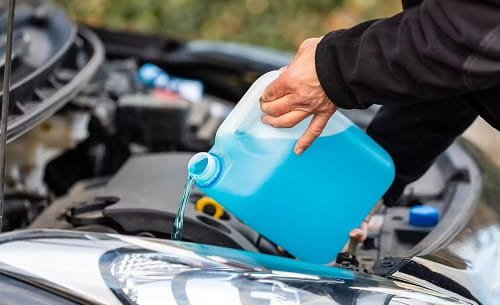
No, blinker fluid is not real. There is no such fluid in any vehicle. It doesn’t exist in cars, bikes, trucks, or any type of machine. The term is simply a long-running joke, often used to tease people who are new to cars or unfamiliar with basic vehicle parts.
Why Does It Sound So Real?
The idea works because it fits perfectly into how cars are designed.
Modern vehicles rely on many different fluids, such as:
- Engine oil
- Brake fluid
- Transmission fluid
- Coolant
- Power steering fluid
Since all these are real and important, it becomes easy to believe that something like “blinker fluid” could also exist. The name itself sounds technical enough to pass as genuine.
How Turn Signals Actually Work
To understand why blinker fluid isn’t real, you need to know how turn signals (blinkers) function.
Turn signals are electrical systems, not mechanical ones that require fluid. When you activate your indicator:
- An electrical circuit is completed
- Power flows from the battery
- The bulbs or LED lights blink on and off
This blinking effect is controlled by a component called a flasher relay or an electronic control unit. There’s no liquid involved anywhere in this process.
Where Did the Joke Come From?
The exact origin isn’t clearly documented, but the joke has been around for decades.
It became popular in:
- Auto repair shops
- Car enthusiast communities
- Military and workshop training environments
Experienced people would jokingly tell beginners to “check” or “replace” blinker fluid, just to see their reaction. Over time, it turned into a classic prank.
Why People Still Fall for It
Even today, many people—especially new drivers—get confused by it.
There are a few reasons for this:
- Lack of Technical Knowledge: If you’re new to cars, you might not know which parts require fluids and which don’t.
- Confidence of the Speaker: When someone says it seriously, it can sound completely believable.
- Similar Real Terms: Since there are so many real fluids in a vehicle, the brain doesn’t question one more.
Real Fluids vs Fake Ones
It helps to clearly separate what’s real and what’s not.
Real car fluids include:
- Engine oil (lubricates engine parts)
- Brake fluid (helps in braking system)
- Coolant (controls engine temperature)
- Transmission fluid (supports gear shifting)
Fake or joke terms include:
- Blinker fluid
- Muffler bearings
- Headlight fluid
These are all part of automotive humor.
Can Mechanics Trick You With This?
In professional and ethical workshops, no real mechanic will try to sell you blinker fluid. If someone does, it’s a red flag.
A trustworthy mechanic will:
- Explain actual issues
- Show real parts or problems
- Give clear, honest recommendations
If you ever hear something that sounds unusual, it’s always good to double-check.
The Role of Internet and Memes
The joke has become even more popular because of the internet.
Videos, memes, and prank clips often show people going into stores asking for blinker fluid. Some shops even play along for fun, pretending to search for it.
This keeps the joke alive and introduces it to new audiences every year.
Is There Any Harm in It?
In most cases, it’s harmless fun.
It’s just a light joke meant to create a laugh. However, it can become a problem if:
- Someone is genuinely misled
- Money is involved
- It creates confusion in important situations
So while it’s funny, it’s always better to know the truth.
Why Understanding This Matters
Knowing that blinker fluid isn’t real is a small thing, but it reflects a bigger idea—basic awareness about how everyday things work.
Cars are complex machines, but understanding a few basics can:
- Save you from being misled
- Help you communicate better with mechanics
- Give you more confidence as a driver
Final Thoughts
So, is blinker fluid real?
No—it’s just a clever and long-standing joke.
It sounds believable because cars do use many fluids, but turn signals are purely electrical systems that don’t need any liquid to function. The term survives because it plays on curiosity and a little bit of confusion.
Once you know the truth, it becomes one of those jokes you can spot instantly—and maybe even pass on, just for a laugh.