No, Soylent Green is not real.
It is a fictional product created for the movie Soylent Green, where it is revealed to be made from human remains. That shocking idea is what made the concept so famous—and disturbing. But in real life, nothing like Soylent Green exists.
Still, the idea behind it connects to real concerns about food, population, and the future. That’s why the question keeps coming up.
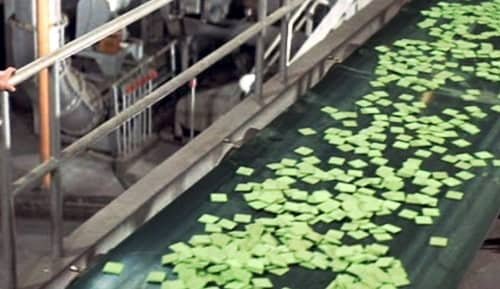
What Is Soylent Green in the Movie?
In the film, Soylent Green is presented as:
- A common food product
- Distributed to a large population
- A solution to food shortages
At first, people believe it’s made from ocean plankton. But later, it’s revealed to be something much darker—processed human bodies.
This twist turned the name into a cultural symbol of dystopian food systems.
Is There Anything Like It in Real Life?
No.
There is:
- No food made from human remains
- No legal or ethical system allowing such production
- No real-world equivalent to Soylent Green
The idea is purely fictional and meant to shock audiences.
What About the Real Product “Soylent”?
There is a real product called Soylent, but it has nothing to do with the movie’s concept.
Real Soylent:
- Is a plant-based meal replacement drink
- Contains ingredients like soy protein, oats, and vitamins
- Is designed for convenience and nutrition
The name was inspired by the movie, but the product itself is completely normal and safe.
Why the Idea Feels So Disturbing
Soylent Green stands out because it touches on deep fears.
It combines:
- Overpopulation
- Food shortages
- Loss of humanity
The idea of unknowingly consuming something so extreme creates a strong emotional reaction. That’s why it stayed in public memory for decades.
Could Something Like This Ever Happen?
In reality, no.
There are major barriers:
1. Legal Restrictions
Cannibalism-related practices are illegal in most parts of the world.
2. Ethical Boundaries
Society strongly rejects the idea on moral grounds.
3. Health Risks
Consuming human tissue carries serious medical dangers.
So even in extreme situations, this would not be a practical or accepted solution.
The Real Issue Behind the Story
The movie wasn’t really about food—it was about warning people.
It explored concerns like:
- Rapid population growth
- Environmental collapse
- Resource scarcity
Soylent Green was used as a symbol of what could go wrong if systems fail.
Modern Food Alternatives
While Soylent Green isn’t real, modern science is working on new food solutions.
These include:
- Lab-grown meat
- Plant-based proteins
- Insect-based protein sources
These are being developed to:
- Reduce environmental impact
- Feed growing populations
- Provide sustainable nutrition
Unlike Soylent Green, these are ethical and scientifically supported.
Why People Still Ask About It
The question keeps coming up because:
1. The Name Sounds Real
“Soylent Green” doesn’t sound obviously fictional.
2. The Concept Is Memorable
The twist in the movie is hard to forget.
3. Real Food Innovation Exists
People know food technology is evolving, so they wonder how far it could go.
Cultural Impact
Soylent Green became more than just a movie element.
It turned into:
- A reference for dystopian futures
- A warning about unchecked systems
- A symbol of extreme survival measures
Even today, people use the phrase jokingly or seriously when discussing strange or unknown food sources.
Is There Any Truth Hidden in It?
Not in the literal sense.
No real product is made the way Soylent Green is in the film. But the broader concerns—like sustainability and food supply—are very real.
So while the product is fictional, the issues it represents are not.
Final Thoughts
Soylent Green is not real—it’s a fictional idea created for storytelling.
But its impact goes beyond fiction. It reflects fears about the future, food scarcity, and how far society might go under pressure. That’s why it still feels relevant, even though the concept itself has no real-world counterpart.
Once you separate the movie from reality, the answer becomes clear. It’s not something that exists—it’s something that was meant to make people think.