Yes, it is illegal to record movies in the theater. Recording movies in a theater violates the Family Entertainment and Copyright Act of 2005, specifically under the Anti-Camcording Provisions, which criminalize the unauthorized recording of audiovisual works in theaters. Additionally, most states have laws that mirror federal statutes, making this act a punishable offense.
Why Recording Movies in Theaters is Illegal
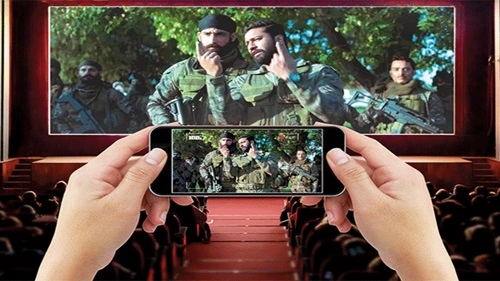
Recording movies in theaters breaches copyright laws, as films are intellectual property protected under the Copyright Act of 1976. The practice, often referred to as “camcording,” disrupts the entertainment industry by facilitating piracy, which results in significant financial losses.
1. Federal Law: The Family Entertainment and Copyright Act
- Enacted in 2005, this law explicitly prohibits the use of recording devices in theaters without authorization.
- Offenders may face criminal charges, including imprisonment and hefty fines.
2. State Laws
Many states have laws that complement federal statutes, further penalizing individuals caught recording in theaters. These laws often grant theater owners the authority to detain violators until law enforcement arrives.
3. Industry Standards
The Motion Picture Association (MPA) actively works with theaters and law enforcement to prevent camcording. The use of night vision cameras and other surveillance tools in theaters is a common deterrent.
Penalties for Recording Movies in Theaters
The penalties for recording movies in theaters are severe and reflect the seriousness of copyright infringement:
1. Criminal Penalties
- Misdemeanor Charges: First-time offenders may face misdemeanor charges, with penalties including fines and up to 1 year in prison.
- Felony Charges: Repeat offenders or those involved in large-scale piracy operations can face felony charges, resulting in up to 10 years in prison.
2. Civil Liability
Copyright holders may file civil lawsuits against offenders, seeking damages for lost revenue. Courts can award:
- Statutory Damages: Ranging from $750 to $150,000 per work.
- Actual Damages: Compensation for financial losses caused by the piracy.
Recent Legal Developments
1. Enhanced Surveillance in Theaters
- Many theaters have implemented advanced technologies, such as night vision cameras and facial recognition, to detect and deter recording.
- Theater staff receive training to identify suspicious behavior and intervene.
2. Crackdown on Piracy Networks
Law enforcement and entertainment industry groups, such as the MPA, have intensified efforts to dismantle piracy networks that rely on camcorded films.
3. International Cooperation
Since piracy often involves global networks, the U.S. collaborates with international organizations to track and prosecute individuals who distribute camcorded content across borders.
Ethical and Practical Implications
Recording movies in theaters not only violates the law but also undermines the hard work of filmmakers, actors, and production crews. Piracy harms the entertainment industry by:
- Reducing box office revenues.
- Discouraging investment in new projects.
- Impacting employment in the film sector.
How Theaters and Authorities Enforce the Law
1. Preventative Measures
- Bag Checks: Some theaters check bags for recording devices.
- Surveillance Systems: Use of cameras and motion sensors during screenings.
- Announcements: Pre-show messages warning against recording.
2. Immediate Action
- Theater staff have the right to detain suspected individuals until law enforcement arrives.
- Confiscation of recording devices is a common practice.
3. Prosecution
- Offenders are typically prosecuted under federal law, with state-level charges added in some cases.
Related FAQs
Q1. Can I record a short clip of a movie in a theater for personal use?a
Ans: No, even short recordings of a movie in a theater without permission violate federal copyright laws.
Q2. Is it legal to record audio from a movie in a theater?
Ans: No, recording audio from a movie is also prohibited under copyright law, as it constitutes part of the protected work.
Q3. What happens if I record a movie in a theater without realizing it’s illegal?
Ans: Ignorance of the law is not a valid defense. You may still face criminal charges or civil lawsuits.
Q4. Can I use my phone to take a picture in a theater?
Ans: While taking pictures in a theater is not inherently illegal, capturing any part of the film on screen could violate copyright laws.
Q5. Are there any exceptions to the law?
Ans: Only individuals with explicit authorization from the copyright holder, such as journalists or film reviewers, may legally record parts of a movie, and even then, this is heavily regulated