Silk has always carried a certain charm. It feels smooth, looks rich, and has that natural shine people instantly recognize. But once you step into the market, you don’t just see “silk.” You see different names—mulberry silk, tussar silk, eri silk, artificial silk. That’s where the confusion begins. When something is labeled mulberry silk, it almost sounds like a special category, and people start wondering—is this actually real silk, or just a refined version of something else?
Yes, mulberry silk is real silk. In fact, it is considered the purest and highest quality form of natural silk available. It is not synthetic, not mixed, and not fake. It comes directly from silkworms, just like traditional silk has for centuries.
What Exactly Is Mulberry Silk?
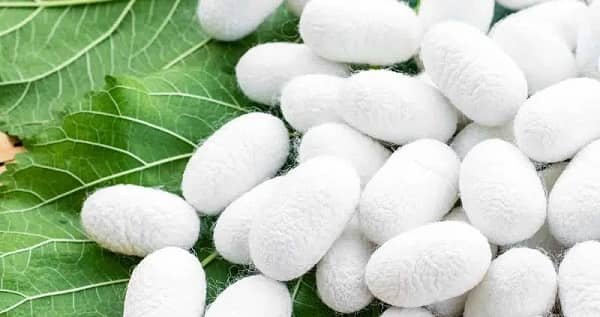
Mulberry silk is produced by a specific type of silkworm called Bombyx mori. These silkworms are fed only on mulberry leaves, which is where the name comes from.
Here’s how it works:
- Silkworms eat mulberry leaves
- They spin cocoons made of fine silk fibers
- These fibers are carefully unwound and processed into threads
- The threads are woven into fabric
This entire process is natural. No artificial materials are involved.
Why Is It Called the “Best” Silk?
Not all silk is the same. Mulberry silk stands out because of its consistency and quality.
It is known for:
- Smooth texture
- Natural shine (luster)
- Soft and lightweight feel
- Strong and durable fibers
The fibers are longer and more uniform compared to other types of silk, which gives the fabric a cleaner and more polished look.
How Is It Different From Other Silk Types?
There are several types of silk, and each has its own characteristics.
Mulberry Silk
- Most refined and smooth
- Uniform texture
- Highest quality
Tussar Silk
- More textured and slightly rough
- Natural golden tone
Eri Silk
- Softer but less shiny
- Often considered more eco-friendly
Muga Silk
- Strong and naturally golden
- Mostly found in Assam
All of these are real silk, but mulberry silk is the most commonly used in premium clothing and luxury products.
Is Mulberry Silk Natural or Artificial?
Mulberry silk is completely natural.
The confusion often comes from terms like:
- “Art silk” (artificial silk)
- “Silk blend”
These are not the same. Artificial silk is usually made from synthetic fibers like polyester or rayon. Mulberry silk, on the other hand, comes directly from silkworm cocoons.
Why Is It So Expensive?
Mulberry silk tends to cost more than regular fabrics, and there’s a reason for that.
The process involves:
- Careful rearing of silkworms
- Controlled feeding (only mulberry leaves)
- Delicate extraction of silk fibers
It takes time, effort, and precision to produce high-quality silk. That’s why the final product is priced higher.
How Can You Tell If It’s Real Mulberry Silk?
If you’re buying silk, a few signs can help:
1. Feel the Texture: Real mulberry silk feels smooth but not slippery like synthetic fabric. It has a soft, natural touch.
2. Look at the Shine: The shine is subtle and changes slightly with light. Fake silk often has a very sharp, artificial shine.
3. Check the Label: Look for terms like “100% mulberry silk” or “pure silk.”
4. Burn Test (Only if Safe to Do): Real silk smells like burnt hair and turns to ash. Synthetic fabric melts. (This is rarely needed in normal situations.)
Is It Good for Daily Use?
Mulberry silk is comfortable, but it needs care.
It is:
- Soft on skin
- Breathable
- Temperature-regulating (keeps you cool in summer and warm in winter)
But it is also delicate. It requires:
- Gentle washing
- Proper storage
- Careful handling
So while it can be used daily, it’s often reserved for special occasions or premium wear.
Why People Sometimes Doubt It
The doubt usually comes from the market itself.
There are many products labeled as:
- “Silk-like”
- “Silk finish”
- “Art silk”
These are not real silk, but they look similar. That’s why people start questioning whether something like mulberry silk is genuine.
In reality, mulberry silk is one of the most authentic forms of silk—you just need to make sure you’re buying the real version.
Final Thoughts
So, is mulberry silk real silk?
Yes, completely real—and not just real, but one of the finest forms of silk available.
It comes from natural silkworm fibers, has a long history, and is valued for its smoothness, shine, and durability. The name may sound specific, but it simply refers to the type of silkworm and its diet.
Once you understand that, the confusion disappears. Mulberry silk isn’t a substitute or a variation—it’s actually the standard that defines what high-quality silk should feel like.