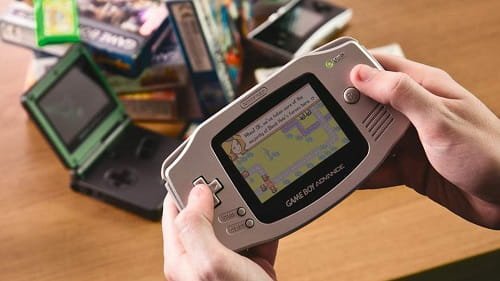
If you’ve picked up a Game Boy Advance (GBA) cartridge—maybe from a local shop, an online seller, or even an old collection—the question naturally comes up: is this actually a real game, or a fake copy? At first glance, everything might look fine. The label seems correct, the cartridge fits perfectly, and the game even runs. But with GBA games, appearances can be misleading.
Over the years, fake cartridges have become very common. Some are obvious, but others are so well-made that even experienced collectors need to take a closer look. That’s why this question isn’t just about curiosity—it’s about knowing what you actually own.
The good news is, there are clear ways to tell the difference.
Why Fake GBA Games Exist
Game Boy Advance games are popular even today.
Because of that:
- Rare games can be expensive
- Collectors are willing to pay high prices
- Demand stays strong
This creates a market for counterfeit cartridges, especially for popular titles like Pokémon or Mario games.
The Most Important Check: The Label
Start with the front label.
Real GBA games usually have:
- High-quality print
- Sharp text and images
- Proper alignment
Fake cartridges often show:
- Blurry or faded print
- Colors that look slightly off
- Misaligned logos or text
Also, original cartridges often have a small engraved number on the label (a faint stamp). Many fake copies don’t include this detail.
Cartridge Build Quality
Next, look at the physical cartridge.
Real cartridges:
- Solid plastic
- Clean edges
- Proper color (usually gray or specific to the game)
Fake cartridges:
- Slightly lighter or cheaper plastic
- Rough edges or poor finishing
- Incorrect color tone
Sometimes the difference is subtle, but once you compare side by side, it becomes clearer.
The Back of the Cartridge
Flip the cartridge over.
Real GBA cartridges usually have:
- A Nintendo logo molded into the plastic
- A tri-wing screw (not a regular screw)
Fake ones may have:
- Missing or poorly made logo
- Standard screws instead of tri-wing
- Slightly different text layout
This is one of the easiest ways to spot a fake.
The Circuit Board (Advanced Check)
If you’re comfortable opening the cartridge, this is the most reliable method.
Inside a real game:
- You’ll see a high-quality circuit board
- “Nintendo” is often printed on it
- Components are neatly arranged
Fake cartridges often have:
- Messy or simplified boards
- Missing branding
- Different chip layout
This step confirms authenticity with much higher certainty.
Save Function Test
Try saving your game.
Real cartridges:
- Save properly and consistently
Fake cartridges:
- May fail to save
- Lose progress randomly
- Use cheaper memory that wears out faster
This is a practical way to test long-term reliability.
Game Performance
Play the game for a while.
Real games:
- Run smoothly
- No unusual glitches
- Stable performance
Fake games:
- May freeze or crash
- Show graphical errors
- Have unusual bugs
Not all fakes show problems immediately, but many do over time.
Price Can Be a Clue
If the price seems too good to be true, it probably is.
For example:
- Rare games sold very cheaply
- Bulk listings with identical copies
- Sellers avoiding detailed photos
While not always proof, price is often a strong indicator.
Packaging and Box (If Included)
If your game came with a box:
Real packaging:
- High-quality printing
- Correct fonts and colors
- Proper manuals
Fake packaging:
- Slight color differences
- Low-quality paper
- Missing details
Collectors often rely on packaging details to verify authenticity.
Common Games That Are Frequently Faked
Some titles are more likely to be fake because of high demand:
- Pokémon series (FireRed, Emerald, etc.)
- Zelda games
- Mario titles
If you own one of these, it’s worth checking more carefully.
Are Fake Games Always Bad?
Not necessarily—but they have downsides.
Fake cartridges:
- May not last long
- Can lose saved data
- Have lower build quality
They can still work, but they’re not reliable like original games.
Quick Checklist
If you want a fast check, look for:
- Clear, sharp label
- Engraved number on the front
- Proper Nintendo logo on the back
- Tri-wing screw
- Good save performance
If multiple things seem off, it’s likely a fake.
Final Thoughts
Figuring out whether your Game Boy Advance game is real or fake comes down to small details. At a glance, both can look almost identical. But once you start checking the label, cartridge build, and internal components, the differences become easier to spot.
Real GBA games were made with high standards, and that quality shows—even years later. Fake copies try to imitate that, but they often miss the finer details.
If you take a little time to inspect your cartridge carefully, you’ll have a much clearer answer. And once you know what to look for, spotting the difference becomes much easier.