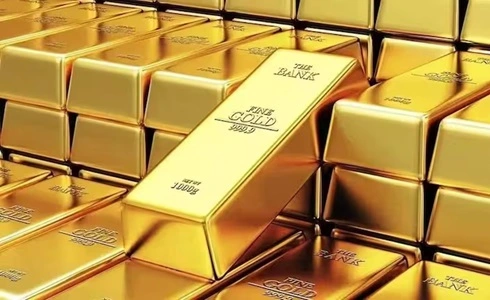
Gold has a way of sounding simple until you start seeing different labels—24k, 22k, 18k, 14k. That’s when the confusion begins. You hear “18k gold” and it sounds premium, but at the same time, a doubt creeps in—is this actually real gold, or just a mix being sold under a better name? Many people assume anything less than pure gold must be fake or low quality. That’s not really how it works.
Understanding 18k gold clears up that confusion almost instantly.
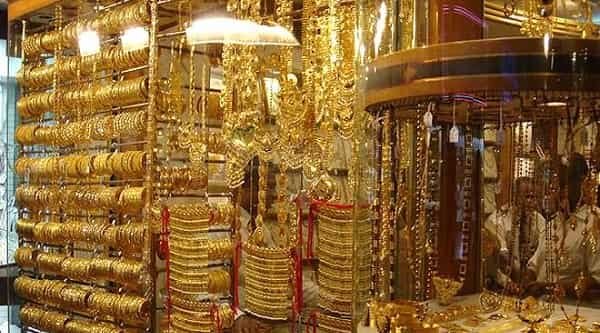
Yes, 18k gold is real gold. It contains 75% pure gold and 25% other metals such as copper, silver, or zinc. The “18k” simply means 18 parts out of 24 are gold.
So while it’s not 100% pure, it still has a high gold content and is considered genuine.
Why Is It Mixed With Other Metals?
Pure gold (24k) is very soft. It bends easily, scratches quickly, and can lose its shape with regular use. That makes it less practical for jewelry you wear every day.
By mixing gold with other metals:
- It becomes stronger
- It holds shape better
- It resists scratches more
18k gold strikes a balance—it keeps most of the purity while improving durability.
How 18k Gold Compares to Other Types
Here’s where it stands:
- 24k gold → 99.9% pure, very soft
- 22k gold → 91.6% gold, still soft but usable
- 18k gold → 75% gold, strong and durable
- 14k gold → 58.3% gold, even stronger but less pure
18k gold sits in a premium range. It has more gold than 14k but is still practical for regular use.
Does It Look Like Pure Gold?
Yes, and this is one of its biggest advantages.
Because of its high gold content, 18k gold:
- Has a rich, warm yellow color
- Looks closer to pure gold than lower karat options
- Maintains a luxurious appearance
At the same time, it’s not as soft as 24k, which makes it more suitable for jewelry.
How to Identify Real 18k Gold
If you’re checking authenticity, look for:
1. Hallmark Stamp
Common markings include:
- 18K
- 18KT
- 750 (which means 75% gold)
2. Consistent Color
Real gold doesn’t peel or fade like gold-plated items.
3. Weight
Gold is dense, so even 18k pieces feel slightly heavy compared to fake materials.
Is 18k Gold Valuable?
Yes, it holds strong value.
Since it contains a high percentage of gold, its price is closer to pure gold compared to 14k. The value depends on:
- Gold market rates
- Weight of the item
- Design and craftsmanship
It’s often used in premium jewelry because of its balance between purity and strength.
Is It Good for Daily Wear?
Yes, but with some care.
18k gold is:
- Strong enough for regular use
- More durable than pure gold
However, it is still softer than 14k gold. So:
- It can scratch if handled roughly
- It’s better suited for moderate daily use rather than heavy wear
What About Different Colors?
18k gold can come in different shades depending on the metals mixed:
- Yellow gold → Closest to natural gold color
- White gold → Mixed with white metals, often coated with rhodium
- Rose gold → Mixed with copper for a pink tone
All of these can still be 18k gold.
18k Gold vs Gold-Plated
This is where many people get confused.
- 18k gold → Solid gold alloy throughout
- Gold-plated → Thin layer of gold over another metal
Gold-plated items can wear off over time. 18k gold does not peel because the gold is part of the entire piece.
Final Thoughts
So, is 18k gold real?
Yes, completely real.
It’s not pure gold, but it still contains a high percentage of genuine gold and is widely trusted for fine jewelry. It offers a strong mix of beauty, durability, and value.
If you want something that looks rich like pure gold but can handle everyday life better, 18k gold sits right in that sweet spot.