The Autumn Spire Maple Tree (Acer rubrum ‘Autumn Spire’) is a popular cultivar of the Red Maple, admired for its upright growth habit, stunning fall color, and overall landscape value. This tree combines beauty, functionality, and adaptability, making it a favorite among homeowners, landscapers, and urban planners. However, like any tree selection, it comes with a unique set of advantages and limitations. Understanding the pros and cons of the Autumn Spire Maple Tree will help you decide whether it’s the right fit for your property or planting project.
Overview of the Autumn Spire Maple Tree
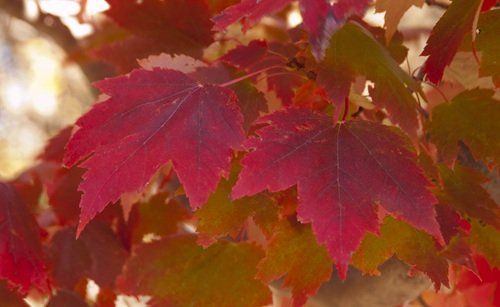
The Autumn Spire is a columnar variety of the native red maple tree. It typically grows to 35-40 feet tall and 10-15 feet wide, making it suitable for narrow spaces or areas where horizontal space is limited. It features dark green leaves in spring and summer, which turn into a spectacular display of bright red, orange, or yellow in the fall. This tree thrives in USDA Zones 4–8 and prefers full sun to partial shade.
Pros of the Autumn Spire Maple Tree
1. Striking Fall Color
One of the biggest selling points of the Autumn Spire Maple is its vibrant autumn foliage. The leaves turn into shades of fiery red, orange, and gold during the fall, creating a dramatic and eye-catching display that adds seasonal interest and curb appeal.
2. Narrow, Upright Form
The tree’s columnar shape makes it an excellent choice for urban gardens, small yards, or narrow planting strips. It can be planted as a privacy screen, a street tree, or as a vertical accent in tight landscape designs where traditional wide-canopied trees would be unsuitable.
3. Fast Growth Rate
The Autumn Spire Maple is considered a moderately fast grower, typically adding 1–2 feet of height per year under optimal conditions. This allows it to establish quickly in new landscapes and provide shade or structure within a relatively short timeframe.
4. Native Adaptability
Being a cultivar of the native Red Maple, the Autumn Spire is well adapted to many soil types, including acidic, loamy, clay, or wet soils. It’s also tolerant of temporary flooding, making it suitable for low-lying or moisture-prone areas.
5. Low Maintenance Requirements
Once established, this maple variety requires minimal care. It doesn’t need constant pruning due to its naturally upright shape and is generally not invasive or messy, unlike some other trees. Occasional watering during droughts and some seasonal cleanup are usually sufficient.
6. Wildlife Support
Like other red maples, the Autumn Spire provides habitat and food for native birds, pollinators, and beneficial insects. Its spring flowers attract early pollinators, while its structure offers nesting support for small birds.
Cons of the Autumn Spire Maple Tree
1. Surface Root Issues
Red Maples, including the Autumn Spire variety, can develop shallow surface roots over time. These roots may interfere with sidewalks, driveways, or lawns, making mowing difficult and potentially causing pavement damage. Proper placement away from infrastructure is essential.
2. Brittle Wood and Storm Damage
Like many fast-growing trees, Autumn Spire Maples can have relatively weak wood, especially if not properly pruned during early growth. This makes them more susceptible to breakage during heavy winds, snow, or ice storms.
3. Limited Shade Coverage
Due to its narrow form, the tree provides limited lateral shade compared to rounder or broader trees like oaks or sugar maples. If your goal is to create a large shaded area, this tree may not meet your needs.
4. Susceptibility to Chlorosis
In alkaline soils, Autumn Spire Maples may develop chlorosis, a condition where leaves turn yellow due to poor iron uptake. This can affect the tree’s appearance and health over time. Amending the soil or choosing more tolerant species might be necessary in such regions.
5. Potential for Root Competition
Because of its aggressive root system, the Autumn Spire may compete with nearby plants or turfgrass for water and nutrients. This can affect the health of companion plants or require mulching and careful planning of garden beds around the base.
6. Seasonal Debris
While not excessively messy, the tree will shed leaves in fall and may drop samara (helicopter-like seeds) in the spring. This requires routine cleanup, especially in manicured lawns or patios.
Best Uses for the Autumn Spire Maple Tree
Due to its narrow footprint and visual appeal, this tree is ideal for:
- Urban and suburban streetscapes
- Narrow side yards or property lines
- Accent planting near buildings
- Rain gardens and low-lying wet zones
- Vertical visual breaks in garden designs
It is often used in group plantings for structured appeal or as a living privacy wall when spaced closely.
Tips for Successful Growth
- Soil: Prefers acidic to neutral soils; amend alkaline soil to avoid chlorosis.
- Watering: Water regularly during the first 1–2 years. Drought-tolerant once established.
- Mulching: Apply mulch around the base to retain moisture and reduce weed competition.
- Pruning: Minimal pruning needed; remove any weak or crossing branches in early years.
Conclusion
The Autumn Spire Maple Tree is a visually striking, space-saving option that offers brilliant fall color, vertical form, and low-maintenance appeal. It’s especially suited for urban landscapes, narrow yards, and design-conscious gardeners who want a tree that makes a statement without dominating the space.
However, potential buyers should consider root behavior, soil compatibility, and storm vulnerability before planting. With thoughtful placement and basic care, this tree can be a long-lasting, beautiful addition to your landscape for decades.
In summary, if you’re looking for a vertical, colorful, and manageable tree, the Autumn Spire Maple stands tall—both literally and figuratively—among your best choices.