Yes, Red light therapy (RLT) is a real treatment that uses low-wavelength red or near-infrared light on the skin. It’s not a scam. Research shows it can have real biological effects, and many people use it for pain, skin concerns, and recovery. But effectiveness varies widely by condition, and the strength of evidence is stronger for some uses than others. It’s legit as a therapy, but it’s not a miracle cure, and results are not guaranteed.
What Red Light Therapy Is
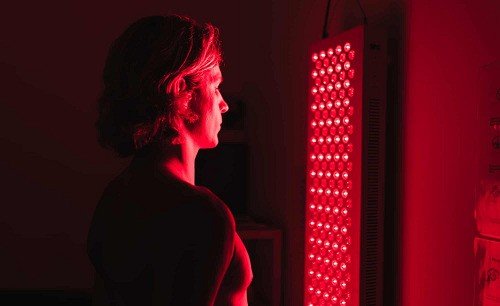
Red light therapy involves exposing your skin to low-level red or near-infrared light. This light penetrates the skin and interacts with cells. The idea is that it can:
- Reduce inflammation
- Boost cellular energy (ATP)
- Improve blood flow
- Help tissue repair
The light used is not ultraviolet and does not burn the skin. Devices range from handheld gadgets and LED panels to professional clinical machines.
Where the Evidence Is Strongest
Some conditions have good research support showing benefit:
1. Wound Healing & Skin Repair
Red light appears to help with healing certain wounds and improving tissue regeneration. People also report faster healing after certain procedures.
2. Some Pain and Inflammation
There’s solid evidence that RLT can help with joint pain (like arthritis) and muscle soreness when applied consistently.
3. Hair Growth
Some studies show red light can improve hair density in people with androgenic alopecia when used regularly.
4. Wrinkles and Skin Texture
A number of studies report modest improvements in fine lines and skin appearance with regular use.
These outcomes tend to have multiple clinical studies backing them and are recognized by many physical therapists and dermatologists.
Where the Evidence Is Weaker or Mixed
Not every claim about red light therapy is strongly supported:
1. Weight Loss or Fat Reduction
There’s limited evidence that RLT alone significantly reduces fat. Devices marketed for “spot fat loss” often overstate what they can do.
2. Chronic Disease Cure Claims
Claims that red light therapy cures serious conditions or major systemic diseases are not supported by quality research.
3. General Wellness Claims
While many people feel better after use, broad statements like “it boosts your immune system” are not firmly established in research.
In short, good evidence exists for specific uses, but not for every claim you’ll see online.
Safety and Side Effects
Red light therapy is generally safe for most people when used properly. Typical side effects, if any, are mild and may include:
- Temporary redness
- Slight warmth
- Eye irritation if light is too strong and eyes are unprotected
Unlike ultraviolet light, red light doesn’t damage DNA or burn skin.
However, people with certain conditions (like light sensitivity, photosensitive medications, or active skin cancer) should talk with a clinician before using it.
At-Home Devices vs Professional Treatment
At-Home Devices
- Widespread, affordable, and convenient
- Results can vary a lot depending on strength, wavelength, and how often you use it
- Best for mild skin issues, mild pain relief, and maintenance
Professional/Clinical Devices
- Stronger light output
- More controlled application
- Often used for deeper tissue work, clinical wound healing, or medical-grade skin treatments
Professional devices generally give more consistent results, but they cost more and might require multiple sessions.
How It Works (Simplified)
Red light therapy is thought to work by stimulating mitochondria — the energy factories in cells. Light at certain wavelengths helps cells make more energy (ATP). When cells have more energy, they may repair themselves faster and have less inflammation.
This basic biological effect is one reason RLT is taken seriously in medical and physical therapy settings.
What Users Report
Many people use red light therapy for:
- Joint pain relief
- Muscle recovery after workouts
- Reducing fine lines and wrinkles
- Improving skin tone and texture
- Supporting wound or injury healing
Individual results vary. Some people notice benefits quickly; others see gradual changes over time.
Bottom Line
Red light therapy is legit as a technology. It has real, measurable effects on cells and tissues, and research supports its use for certain pain, skin, and healing applications.
However:
- It’s not a “cure-all.”
- Not every claim is backed by strong science.
- Results depend on device quality, wavelength, and consistent use.
If you’re considering RLT for a specific concern, it’s wise to talk with a health professional about the evidence for your situation. But as far as the concept itself goes — yes, red light therapy is a legitimate, scientifically recognized treatment when used appropriately.