No, “second puberty” is not a real medical condition.
But that doesn’t mean the changes people describe aren’t real. The term “second puberty” is commonly used to explain noticeable physical, emotional, or hormonal changes that happen later in life—especially in your 20s or even 30s. It feels similar to puberty, so people give it that name. But medically, it’s something different.
What People Mean by “Second Puberty”
When someone talks about second puberty, they’re usually referring to changes like:
- Weight gain or loss
- Skin changes (like acne returning or improving)
- Body shape shifting
- Mood swings or emotional changes
- Hormonal fluctuations
These changes can feel sudden or unexpected, which is why they remind people of teenage puberty.
Why It Feels Like Puberty Again
Teenage puberty is a period of rapid transformation. Your body changes quickly, hormones fluctuate, and everything feels new.
Later in life, when similar changes happen—even if they are slower or less intense—it can feel like a repeat. But the cause is different.
Instead of a developmental phase, these changes are linked to:
- Hormone levels stabilizing or shifting
- Lifestyle changes
- Aging
- Stress or environment
The Role of Hormones
Hormones play a big part in why people think “second puberty” is real.
In your late teens and early 20s:
- Hormone levels begin to stabilize after adolescence
- Your metabolism may start to slow down
- Your body reaches its more mature form
For women, hormonal changes can also occur due to:
- Menstrual cycle patterns
- Birth control use
- Conditions like PCOS
For men:
- Testosterone levels may gradually change
- Muscle mass and fat distribution can shift
These changes are real—but they are not a second round of puberty.
Body Changes in Your 20s
Many people notice physical changes in their 20s.
These can include:
- Weight redistribution (for example, fat moving to hips or abdomen)
- Muscle development or loss depending on activity
- Changes in posture or energy levels
This is your body moving from a growing phase to a stable adult phase.
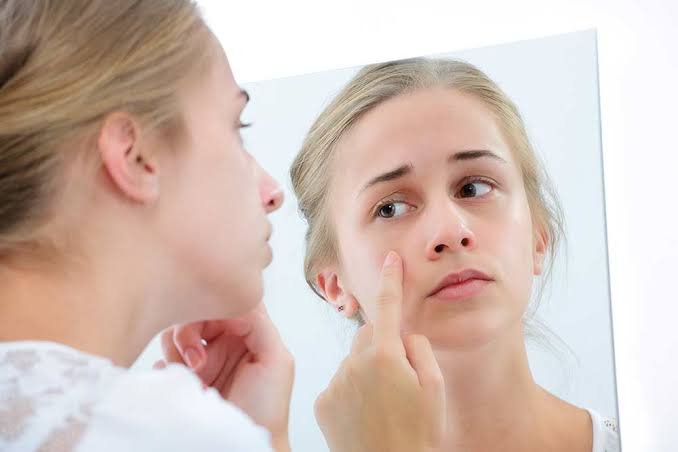
Skin and Appearance Changes
Skin is another reason people believe in second puberty.
You might experience:
- Adult acne
- Changes in oil production
- Different skin texture
Unlike teenage acne, adult acne is often linked to stress, hormones, or lifestyle rather than puberty itself.
Emotional and Mental Changes
It’s not just physical—emotional changes also play a role.
In your 20s:
- You face new responsibilities
- Stress levels may increase
- Your mindset matures
These emotional shifts can feel intense, sometimes similar to teenage years, but they come from life changes, not biological puberty.
Lifestyle Has a Big Impact
One major difference between puberty and “second puberty” is lifestyle.
In your 20s and beyond, factors like:
- Diet
- Sleep
- Exercise
- Work stress
start to directly affect your body.
For example:
- Poor sleep can affect hormones
- Stress can trigger skin issues
- Diet can influence weight and energy
These effects can feel sudden, which adds to the “second puberty” idea.
Is There Any Scientific Basis?
No official medical concept called “second puberty” exists.
Doctors and researchers do not recognize it as:
- A biological stage
- A hormonal phase like adolescence
Instead, they explain these changes through:
- Natural aging
- Hormonal balance shifts
- Environmental and lifestyle factors
When It Might Be More Than Normal
Sometimes, changes labeled as “second puberty” could point to something else.
For example:
- Sudden severe acne
- Rapid weight changes
- Extreme mood swings
These could be linked to:
- Hormonal imbalances
- Thyroid issues
- Stress-related conditions
In such cases, it’s better to consult a doctor instead of assuming it’s normal.
Why the Term Became Popular
The phrase “second puberty” became popular because it’s easy to understand.
Instead of explaining complex hormonal or lifestyle changes, people use a simple label that captures the feeling:
- “My body is changing again”
Social media has also played a big role in spreading the term.
Is It the Same for Everyone?
Not at all.
Some people notice big changes, while others feel almost nothing. It depends on:
- Genetics
- Lifestyle
- Health conditions
- Environment
So even though the term is widely used, the experience varies from person to person.
Final Thoughts
Second puberty is not a real medical phase, but the changes people describe are very real.
Your body doesn’t stop evolving after your teenage years. It continues to adjust, stabilize, and respond to your lifestyle and environment. These shifts can sometimes feel like a repeat of puberty, but they are part of normal adult development.
Once you understand the difference, the confusion clears up. It’s not a second round of growing up—it’s your body settling into its long-term balance.