Walk into almost any fish market or scroll through food delivery apps, and you’ll come across tilapia. It’s everywhere—cheap, widely available, and often recommended as an everyday fish. But at the same time, you might have heard strange things about it. Some people say it’s “not real fish,” others claim it’s artificially made or heavily modified. That mix of popularity and suspicion makes one question pop up again and again—is tilapia actually real, or is there something unusual behind it?
Let’s break it down properly.
The Straight Answer
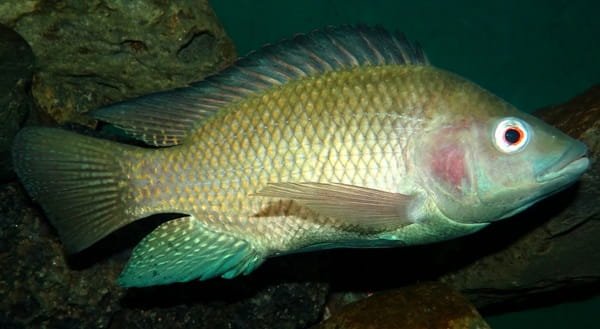
Yes, tilapia is completely real.
It is a natural group of freshwater fish that has existed for thousands of years. Tilapia is not artificial, not lab-made, and not a fake product. It’s a real fish species that people have been eating for centuries.
What Exactly Is Tilapia?
Tilapia isn’t just one single fish. It’s a group of fish species mainly found in freshwater environments like rivers, lakes, and ponds.
These fish are native to parts of Africa and the Middle East. Over time, they were introduced to many countries because they grow quickly and are easy to farm.
Today, tilapia is one of the most commonly farmed fish in the world.
Why Is Tilapia So Common?
One big reason tilapia is everywhere is because it’s easy to raise.
Tilapia:
- Grows fast
- Survives in different water conditions
- Eats a simple diet
- Reproduces quickly
Because of this, fish farmers can produce it in large quantities. That makes it cheaper compared to many other fish.
In countries like India, tilapia farming has increased because it provides a steady and affordable source of protein.
Why Do People Think It’s Not Real?
This is where the confusion starts.
There are a few reasons why some people doubt tilapia:
- It’s Too Affordable
People often assume cheap food must be low quality or fake. Since tilapia is inexpensive, it raises suspicion. - Farmed Fish Misunderstanding
Most tilapia is farmed, not wild-caught. Some people think “farmed” means artificial, which isn’t true. Farming just means controlled breeding and raising. - Internet Myths
There are many viral claims saying tilapia is “genetically fake” or “not real fish.” These are mostly exaggerated or misleading.
Is Tilapia Genetically Modified?
In general, no.
Most tilapia sold in markets is not genetically modified in a lab. However, farmers may selectively breed fish to improve growth and quality. This is similar to how crops and animals have been bred for generations—it’s not the same as artificial creation.
Is Farmed Tilapia Safe to Eat?
Yes, when sourced properly.
Like any food, quality depends on how it’s produced. Clean farming practices lead to healthy fish. Poor conditions can affect quality, but that applies to all farmed foods, not just tilapia.
If you buy from a trusted source, tilapia is safe and widely consumed around the world.
Nutritional Value
Tilapia is not just real—it’s also nutritious.
It provides:
- Good protein content
- Low fat
- Essential vitamins and minerals
It may not have as high omega-3 levels as some fatty fish like salmon, but it still serves as a healthy food option.
How It Looks and Tastes
Tilapia has a mild taste, which is one reason it’s so popular.
- The flavor is light, not strong or fishy
- The texture is soft and easy to cook
- It absorbs spices well
This makes it suitable for many dishes, especially in Indian cooking where spices play a big role.
Wild vs Farmed Tilapia
There are two main types you might come across:
Wild Tilapia
- Found in natural water bodies
- Less common in markets
Farmed Tilapia
- Raised in controlled ponds or tanks
- More widely available
- More consistent in size and quality
Most tilapia sold today is farmed.
Is There Any Downside?
Like any food, tilapia isn’t perfect.
Some concerns include:
- Lower omega-3 compared to certain fish
- Quality depends on farming conditions
- Overfarming in some areas can affect the environment
But these are general concerns about aquaculture, not proof that tilapia is fake.
Why It Became So Popular
Tilapia fits modern needs very well.
It is:
- Affordable
- Easy to cook
- Widely available
- Mild in taste
That combination makes it a common choice for households, restaurants, and food businesses.
Final Thoughts
So, is tilapia fish real?
Yes, completely real.
It’s a natural fish that has been part of human diets for centuries. The confusion around it mostly comes from how widely it’s farmed and how cheap it is. When something becomes that common, people start questioning it.
But in reality, tilapia is just a practical, accessible food. Nothing artificial, nothing fake—just a fish that happens to fit perfectly into modern demand.
Once you understand that, the doubt disappears.